

Reserve the experience
Arrange guided visits, small estates and English-language sessions before setting out.
Bergerac, Monbazillac & beyond
A château above the vines, a conversation in the cellar and lunch beside the river. Find your kind of wine day from Maison Sérénité, with ten places and experiences to explore.
Discover your wine style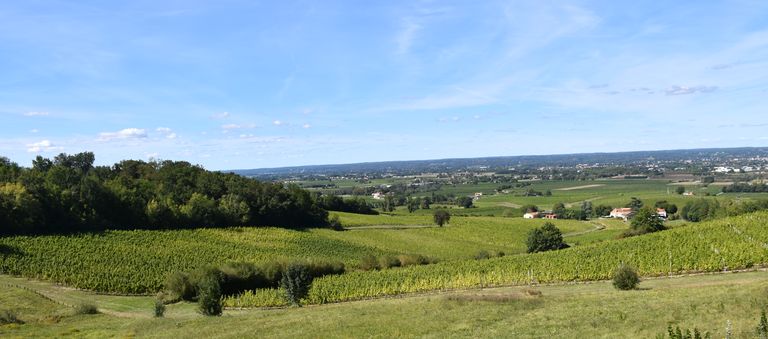
A guided wine day can let everyone enjoy the visits without driving between vineyards. Agree the collection point and return with the operator before booking.
| Operator | Collection | Group size |
|---|---|---|
| Dordogne Vineyard Tours | Monpazier collection is available; confirm the meeting point and dates with Sue. | Private tours for 2–6 guests; the van holds no more than six. |
| Bergerac Wine Tours | Usual collection is around Eymet. Collection from Maison Sérénité needs a specific agreement. | Confirm capacity and the complete transport arrangements. |
Transport is supplied and booked directly with the operator, separately from the house. A tour for six does not provide transport for all ten house guests. Prices, languages, food and dates should be confirmed for your group.
A little planning, a lovely day
For a first outing, we like Monbazillac followed by an unhurried lunch in Bergerac. One or two substantial visits usually leave more room for discovery than a full list of appointments.
Arrange guided visits, small estates and English-language sessions before setting out.
Vineyards, local food and the river belong together. Give each part of the day some space.
Golden Monbazillac and a structured Pécharmant red can make a memorable pairing of visits.
Agree a non-drinking driver, suitable transfer or guided tour before the first tasting.
Get your bearings
Bergerac, Monbazillac, Pécharmant, Rosette, Saussignac and Montravel are in the Dordogne. Côtes de Duras belongs to the wider wine family in neighbouring Lot-et-Garonne.
Choose fewer stops and check the route for the day you travel. Duras and the western vineyards work better as their own outing than an extra stop on an already full Monbazillac day.
A taste of where you are
Bergerac’s wines have their own appellations and identity. A visit connects the names on a bottle with the landscape, the producer and the choices that shaped a vintage.
Move from a fresh Bergerac Sec to a fruit-driven red, then discover the structure of Pécharmant or the richness of Monbazillac. Different styles give everyone something to talk about.
At a working estate, the person explaining the wine may be closely involved in growing or making it. Ask about the grapes, the season and a favourite food pairing.
Our companion guide explains grapes, appellations, French wine labels and food pairings in more depth.
Explore Bergerac & Dordogne wines →For current regional references, consult the official Bergerac & Duras wine body.
Start with your palate
These six choices are a practical guide to taste, rather than six official wine categories. Open a style for useful names, grapes and food ideas.
Look for: Bergerac Sec, Montravel Sec and dry Côtes de Duras.
Citrus, white fruit, floral aromas and lively freshness.
Grapes: Sauvignon, Sémillon and Muscadelle are useful names to recognise; blends vary by appellation and producer.
At the table: Goat’s cheese, salads, vegetables and lighter poultry dishes.
Look for: Bergerac Rosé and Côtes de Duras Rosé.
Fresh red fruit and an easy, refreshing style.
Grapes: Local red varieties include Merlot, Cabernet Sauvignon, Cabernet Franc and Malbec.
At the table: Summer lunches, charcuterie and grilled vegetables.
Look for: Bergerac Rouge and Côtes de Duras Rouge.
Red and dark fruit, with a supple, approachable structure.
Grapes: Merlot, Cabernet Sauvignon, Cabernet Franc and Malbec appear in the region’s red blends.
At the table: Duck, poultry, charcuterie and relaxed savoury dishes.
Look for: Pécharmant, Côtes de Bergerac Rouge and Montravel Rouge.
Deeper fruit, tannin and savoury complexity; some bottles reward ageing.
Grapes: Merlot and Cabernet-based blends, with the precise rules depending on the appellation.
At the table: Beef, duck, mushrooms, truffles and mature cheese.
Look for: Rosette, Côtes de Bergerac Moelleux, Côtes de Montravel and Côtes de Duras Moelleux.
White flowers, peach and ripe fruit, with sweetness and freshness together.
Grapes: Sauvignon, Sémillon and Muscadelle; Côtes de Duras can also include Chenin and Mauzac.
At the table: Pâté, cheese and dishes combining savoury and sweet flavours.
Look for: Monbazillac, Saussignac and Haut-Montravel.
Honey, candied citrus and concentrated fruit, balanced by freshness.
Grapes: Sémillon, Sauvignon and Muscadelle are the principal names to look for.
At the table: Blue cheese, foie gras, walnuts and fruit-based desserts.
The golden side of Bergerac
South of Bergerac, the vineyards rise above the Dordogne valley. Their celebrated sweet white wine is a natural starting point for a first wine-country day.
Recognised as an appellation since 1936, Monbazillac is associated with Sémillon, Sauvignon and Muscadelle. A tasting can show how producer, blend, vintage and age shape quite different wines.
Look for honey, acacia, ripe stone fruit, citrus and spice. Younger gold can deepen towards amber as a bottle matures. Freshness matters as much as sweetness.
Foie gras is a traditional pairing; blue cheese, walnuts, poultry with fruit and fruit desserts offer other ways to enjoy it.
Official Monbazillac wine guide ↗Ask the producer how that particular vintage developed. The story is more revealing than expecting every Monbazillac to taste the same.
Four contrasting experiences
A historic château, a personal organic tasting, a broad introduction to local styles or a cellar-and-food experience. Begin with the kind of day you want.
Wine, history & a château view
A first visit with a little of everything
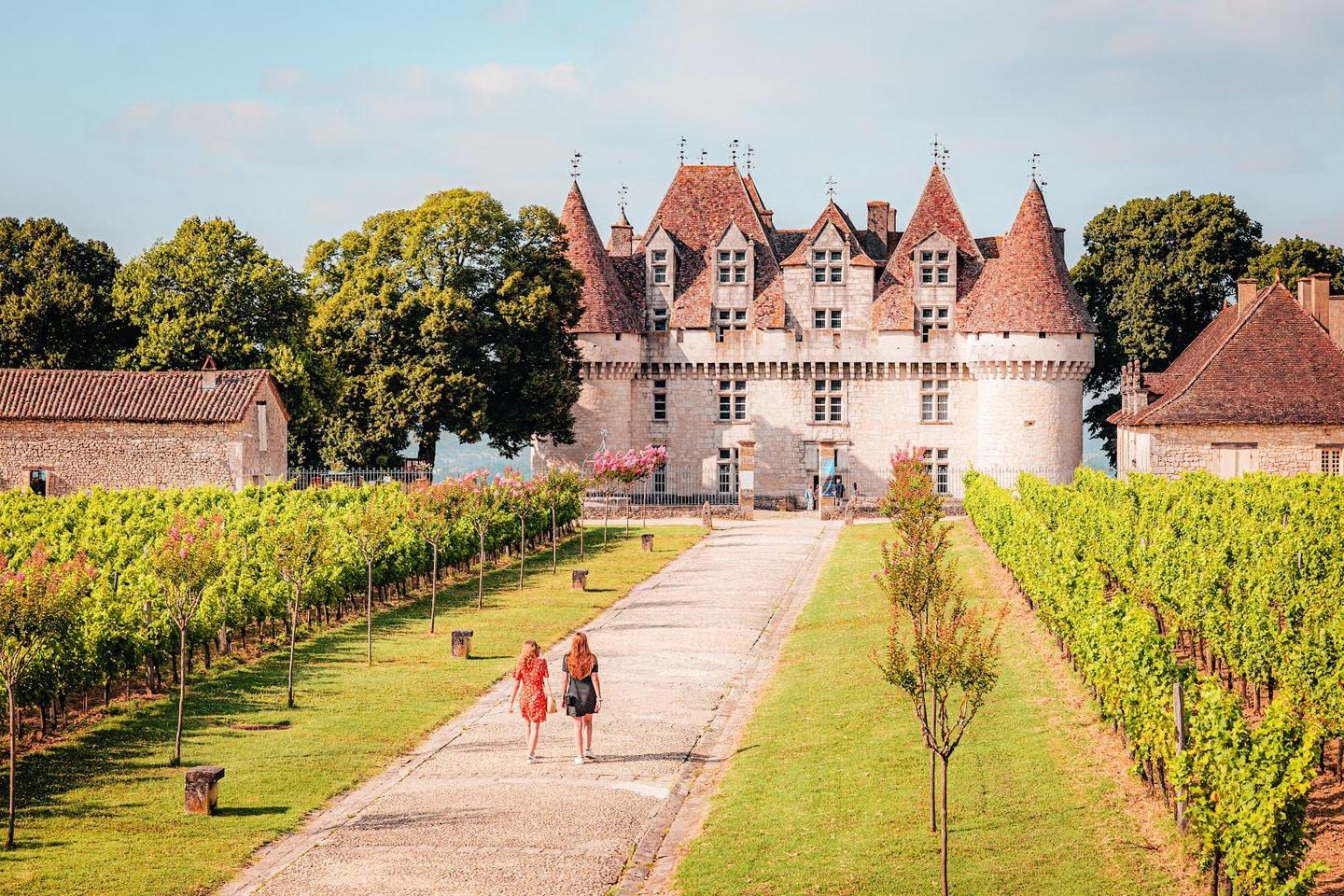
Make the historic château part of your introduction to Monbazillac. The visitor route brings together the building, exhibitions and the story of the wine, with a tasting at the end. It offers a varied outing when your group enjoys history as much as wine.
Choose the standard visit or a hosted tasting workshop. The château gives an average visit length of about 1½ hours; allow more time if you would like to linger. Grape juice is available for visitors who are not drinking wine.
Plan your visit
The 2026 individual adult offers list Monbazill’art at €12 and Monba’licieux at €18; the latter includes a hosted tasting of three wines.
The official page confirms September opening 10:00–19:00, with last entry at 18:00. Its annual timetable contains mixed year labels: use the live page for your dates rather than treating that table as a confirmed 2027 programme.
Confirm the current programme and price with the provider for your dates.
Organic wines & conversation
A more personal producer tasting
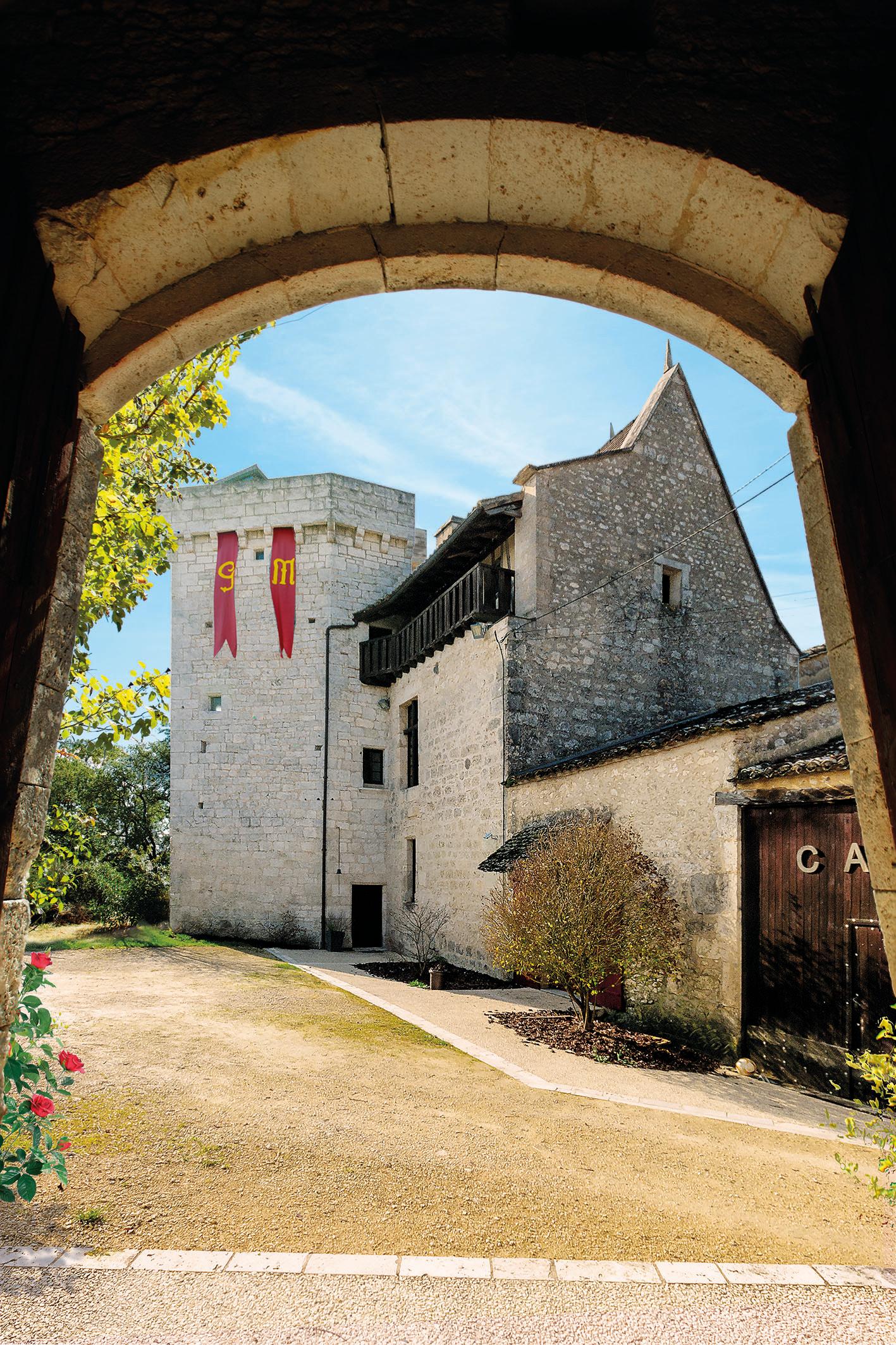
Organic since 1993, La Grande Maison also follows biodynamic practices, as confirmed by the estate in September 2026. It makes Monbazillac alongside Bergerac white, rosé and red wines. The tasting room offers a chance to compare cuvées and ask about the choices behind them. It makes a useful contrast to the larger château visit.
The estate welcomes tastings throughout the year and offers winery visits by appointment. Contact it before a special journey, particularly if you would like to spend time in the cellar or arrange a visit in a particular language.
Plan your visit
The estate’s visit page describes year-round tastings and winery visits by appointment. Confirm the day, language and any charge directly.
An additional published contact number is +33 6 61 75 98 32.
Confirm the current programme and price with the provider for your dates.
Several styles, one vineyard
An introduction to the region’s variety
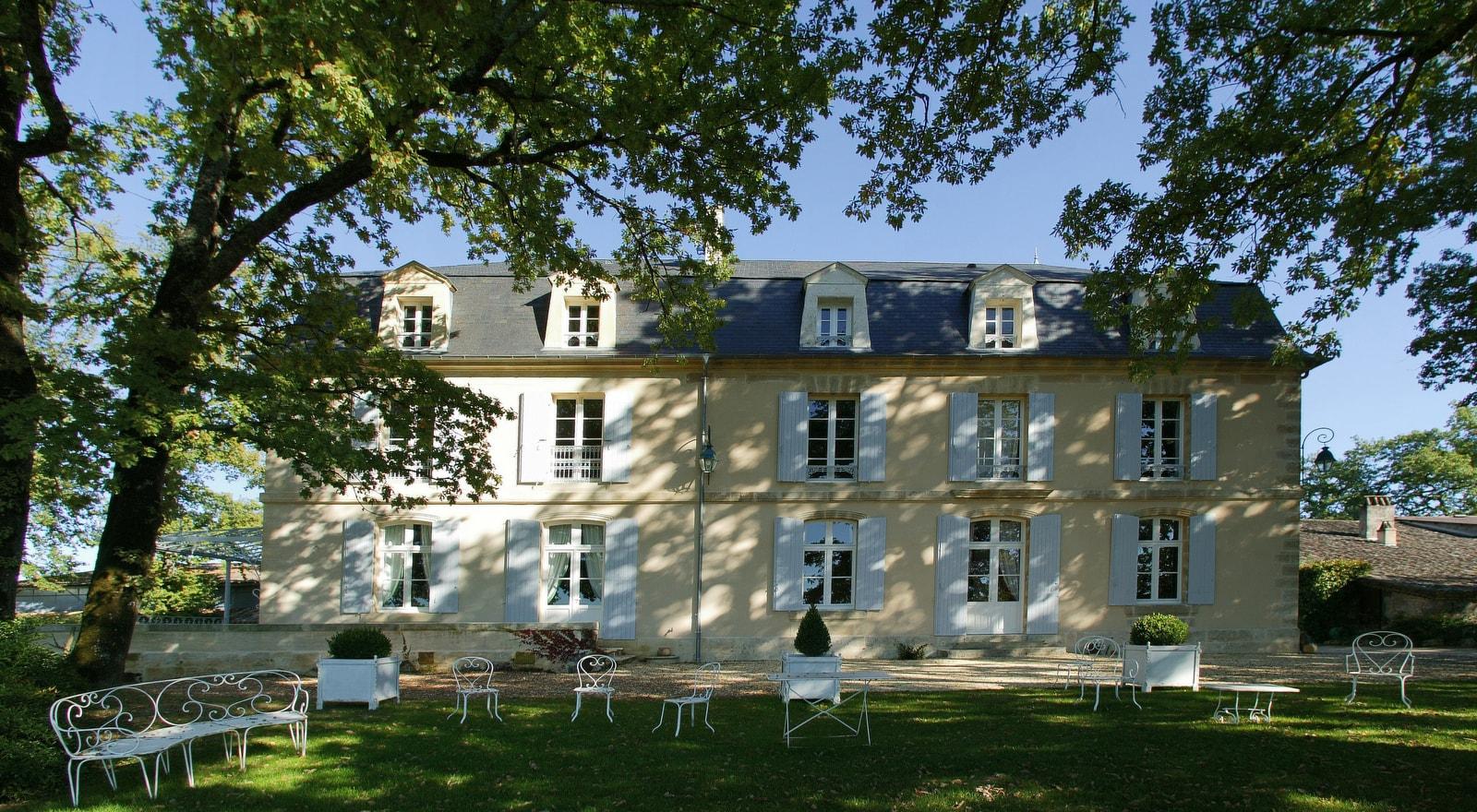
Bélingard makes dry whites, rosé and red Bergerac wines as well as Monbazillac. It is a useful place to discover that this region is about much more than sweet wine.
Choose a tasting, follow the estate’s self-guided interactive route, or reserve a guided session. The estate publishes English tours in season, making it a practical option if you want more explanation as you explore.
Plan your visit
Published seasonal schedule: mid-September–June, Monday–Friday 09:00–12:00 and 13:00–17:00; July–mid-September, Monday 09:00–17:00 and Tuesday–Saturday 10:00–18:00.
The estate confirmed on 8 October 2026: free red and white wine tastings and a free self-guided interactive route during opening hours. July–mid-September guided visits run Tuesday and Friday, in French at 10:30 and English at 15:00, at €3. Guided visits outside those periods or times are by appointment at €5 per adult. The 2027 programme has not yet been confirmed.
Confirm the current programme and price with the provider for your dates.
Cellar visits & food pairings
Making wine a fuller part of the day
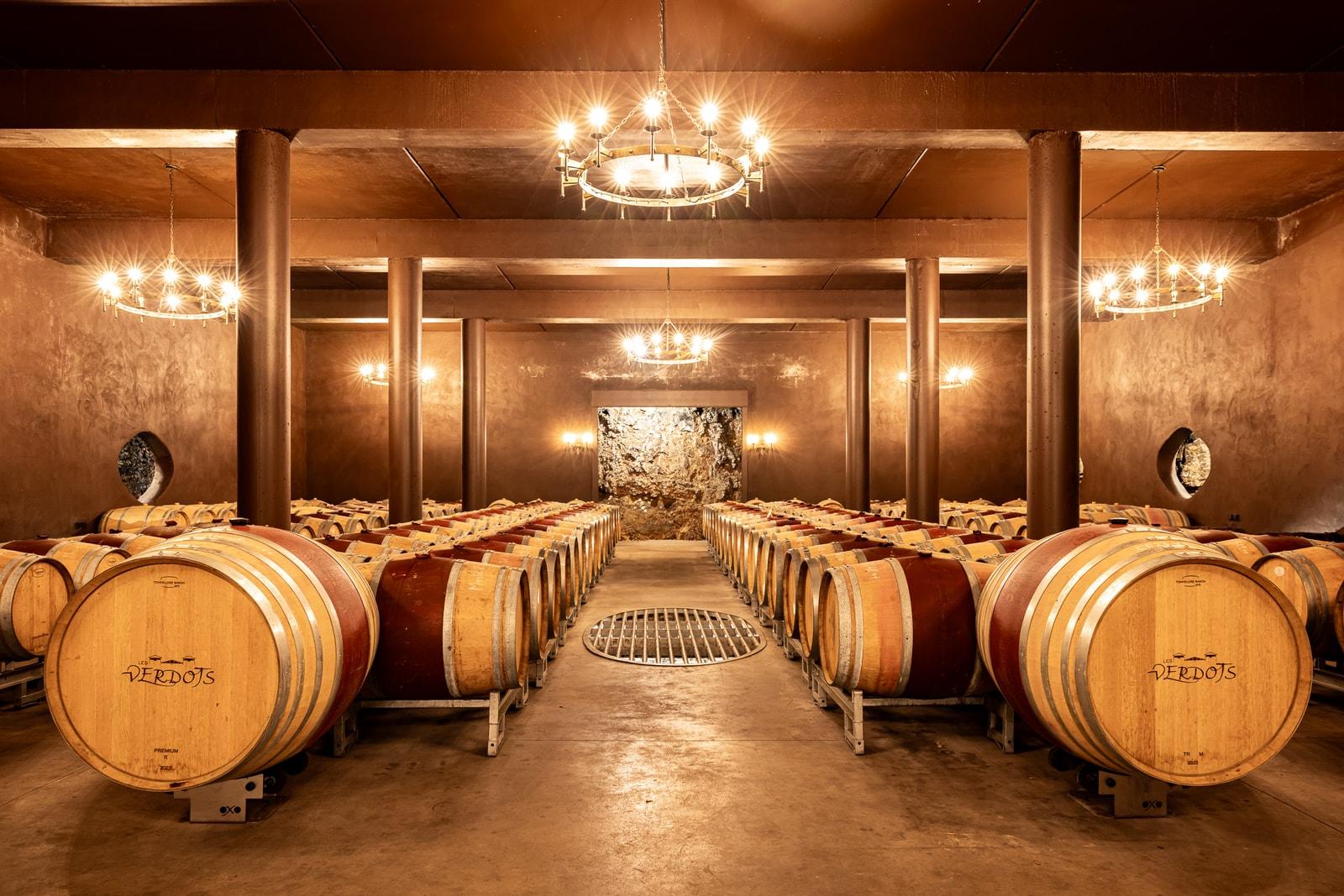
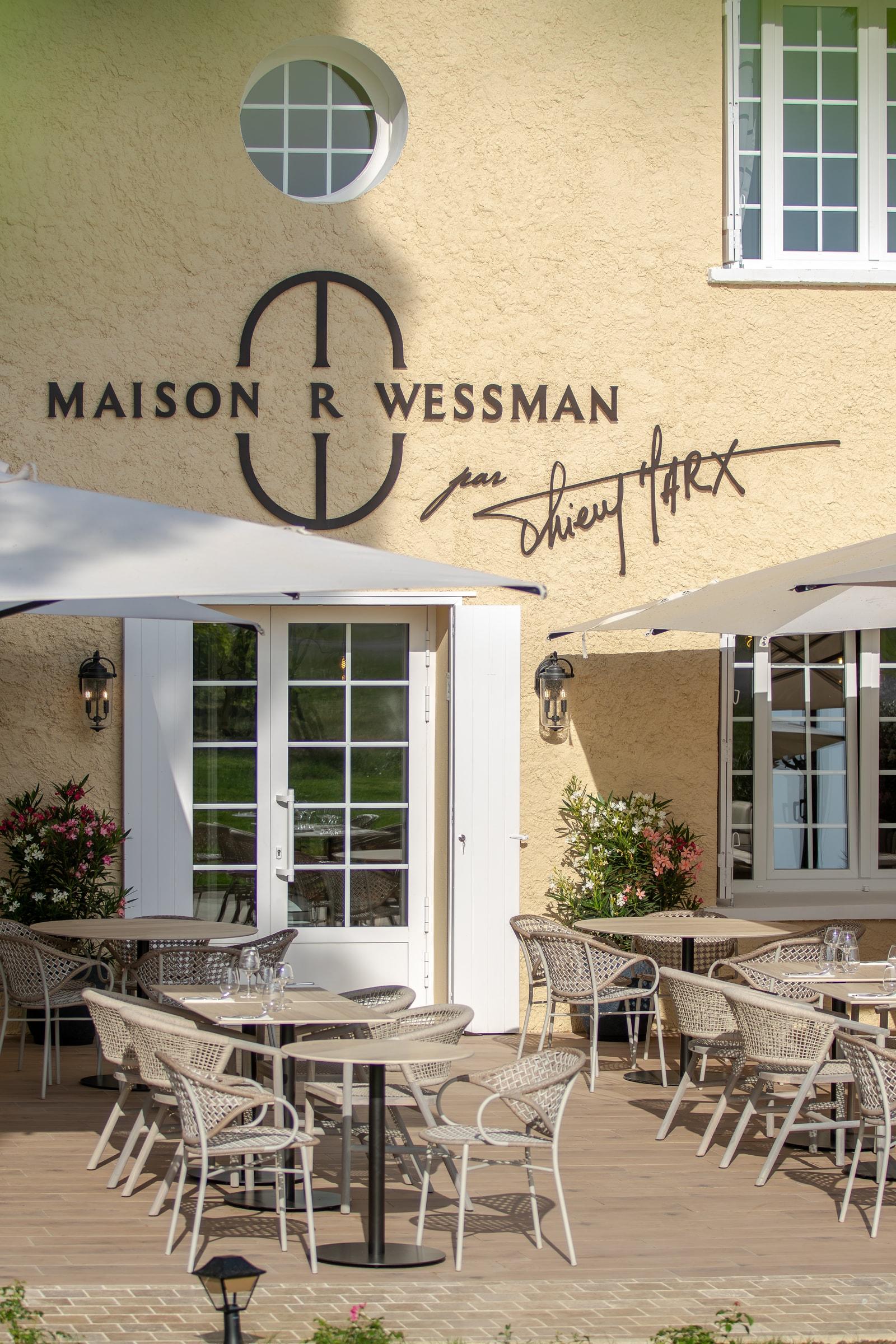
The vineyards, underground cellar and Maison Wessman setting give you several ways to shape a visit. Choose a guided tasting, or spend longer exploring the estate and cellar before trying the wines.
Food-pairing experiences and the Maison Wessman par Thierry Marx restaurant add another dimension. The private experiences require reservations; confirm exactly what is included when choosing between a tasting and a tour.
Plan your visit
Current adult examples: guided tasting €8; private vineyard/cellar tour with tasting €12 (1¼ hours); tour with pairings €22 (1½ hours, at least 48 hours’ reservation).
Additional current choices include Le Paradis (€28, two hours, maximum eight participants) and a seasonal vineyard walk/picnic. Check the live booking page for availability, inclusions and the current programme.
Confirm the current programme and price with the provider for your dates.
A red-wine counterpoint
On the hills north-east of Bergerac, Pécharmant makes red wine with fruit, structure and the potential to develop with age.
Merlot, Cabernet Sauvignon, Cabernet Franc and Malbec form its permitted varieties. INAO specifies that no single variety can exceed 65% of the blend.
The local soils include flint and a deeper clay layer known as the tran. Young tannins can soften with age, while fruit, oak-influenced spice and savoury complexity develop.
Try Pécharmant with duck, beef, mushrooms, truffles or mature cheese. Ask the estate whether a bottle is ready to enjoy now or would benefit from more time.
Recognised in 1946, the appellation offers a different experience from a simple, fruit-driven Bergerac red.
Read the official INAO profile ↗A working estate above Bergerac
Exploring the region’s structured reds
The Roches family estate offers a direct introduction to Pécharmant, with its vineyard setting, cellars and family wine history. It also produces other local styles, so you can compare neighbouring appellations rather than tasting a single type of red.
Ask about cellar, museum and vineyard visits when arranging your day. Confirm the available experience before travelling, especially for a scheduled summer visit or an English-language explanation.
Plan your visit
The estate’s official website and tourism listing are linked for current visits. The previous guide’s dated summer timetable is not presented as a confirmed future programme.
Confirm the current programme and price with the provider for your dates.
Let someone else shape the day
A local guide can bring together transport, producer appointments and context. Or begin independently with a tasting in central Bergerac.
For either tour operator, confirm collection from Maison Sérénité, group size, language, food and the return journey. Collection from Monpazier is not assumed. Book directly with the operator.
An organised wine & food day
Leaving the appointments to a local guide
An established guided format brings together vineyard visits, wine and local food. Its published programme includes accommodation collection and return, with the exact estates depending on availability.
Collection from Maison Sérénité must be agreed directly: the operator’s usual area is around its Eymet base. Ask for the complete price, collection time, included visits and return arrangements before booking.
Plan your visit
The programme published on 4 June 2026 lists €110 for a full day and €95 for a half day. The usual collection area is within 40 km of Eymet. Request a quote and confirm collection from Maison Sérénité for your dates.
Confirm the current programme and price with the provider for your dates.
Private, small-group wine days
A day tailored around your interests
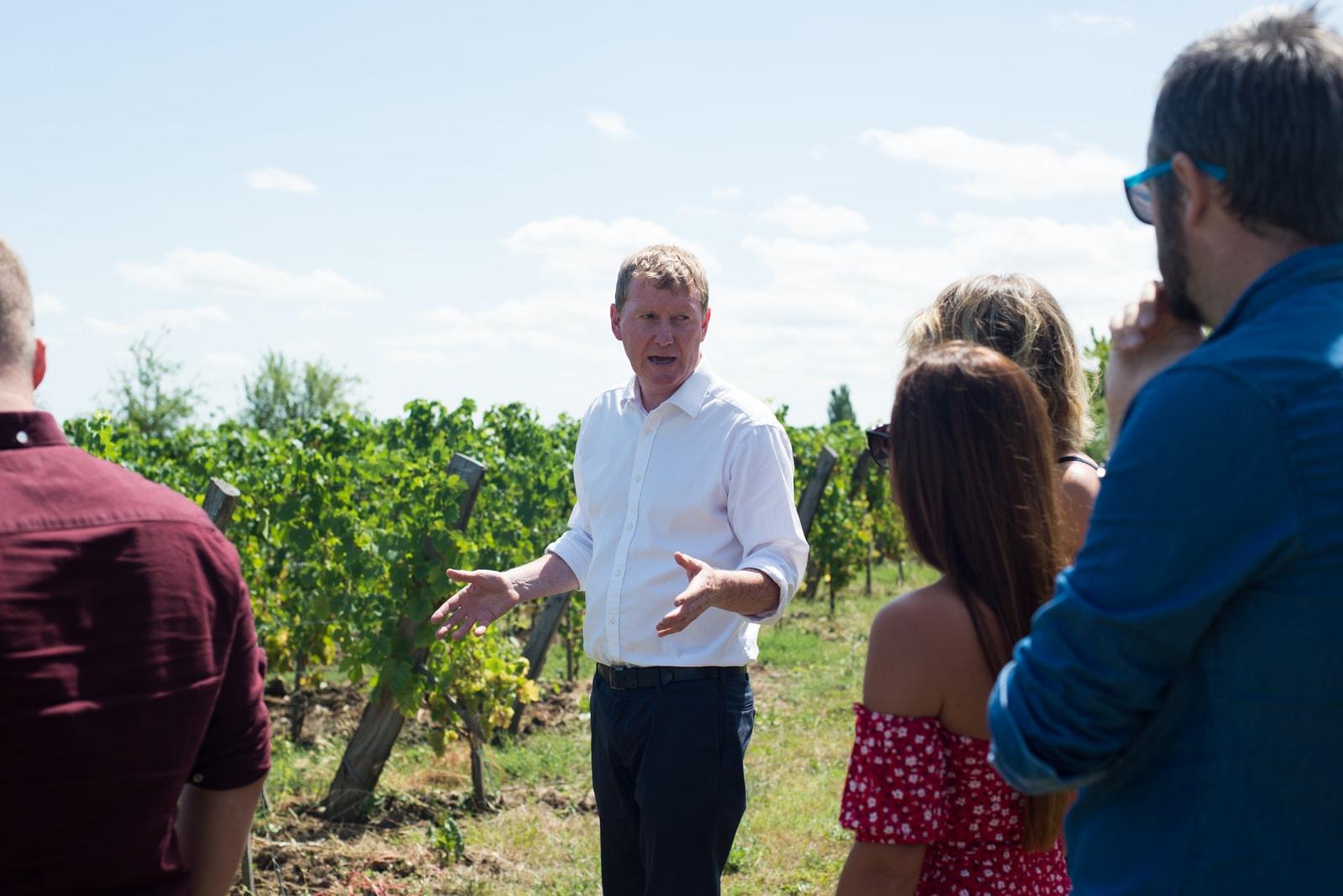
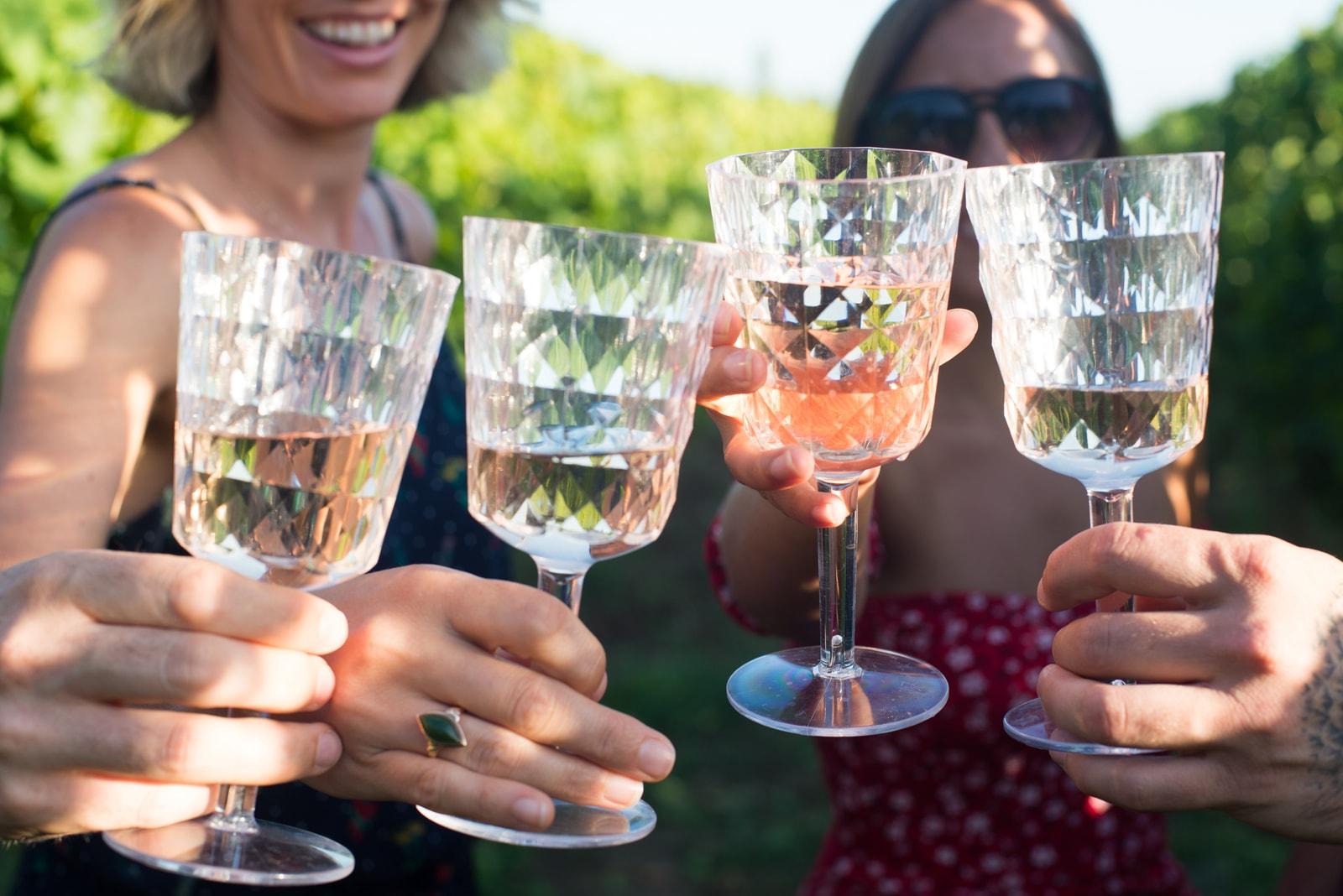
Private tours for two to six guests, with winemaker encounters, vineyard and cellar visits, and a local-produce picnic. Discuss other lunch arrangements directly.
Collection from Monpazier is available. Agree the meeting point, return journey, dates and tour language with Sue when booking. The van accommodates a maximum of six guests.
Plan your visit
Private tours currently start from €135 per person. The advertised format includes accommodation collection/return, a host, vineyard/cellar time, around 12–15 wines and a picnic. Confirm the arrangements for Monpazier directly.
Confirm the current programme and price with the provider for your dates.
An easy introduction in Bergerac
Comparing styles without a full vineyard tour
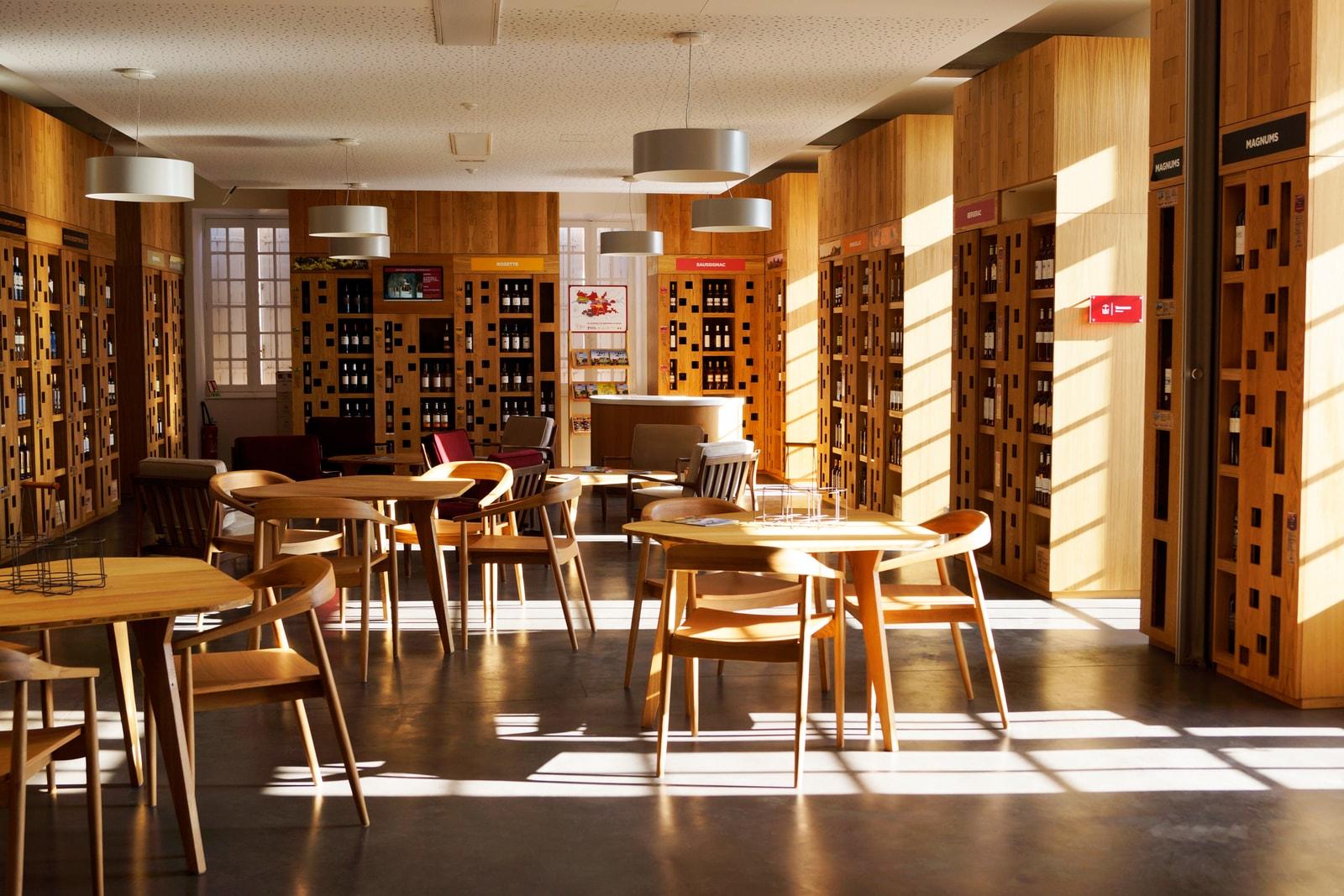
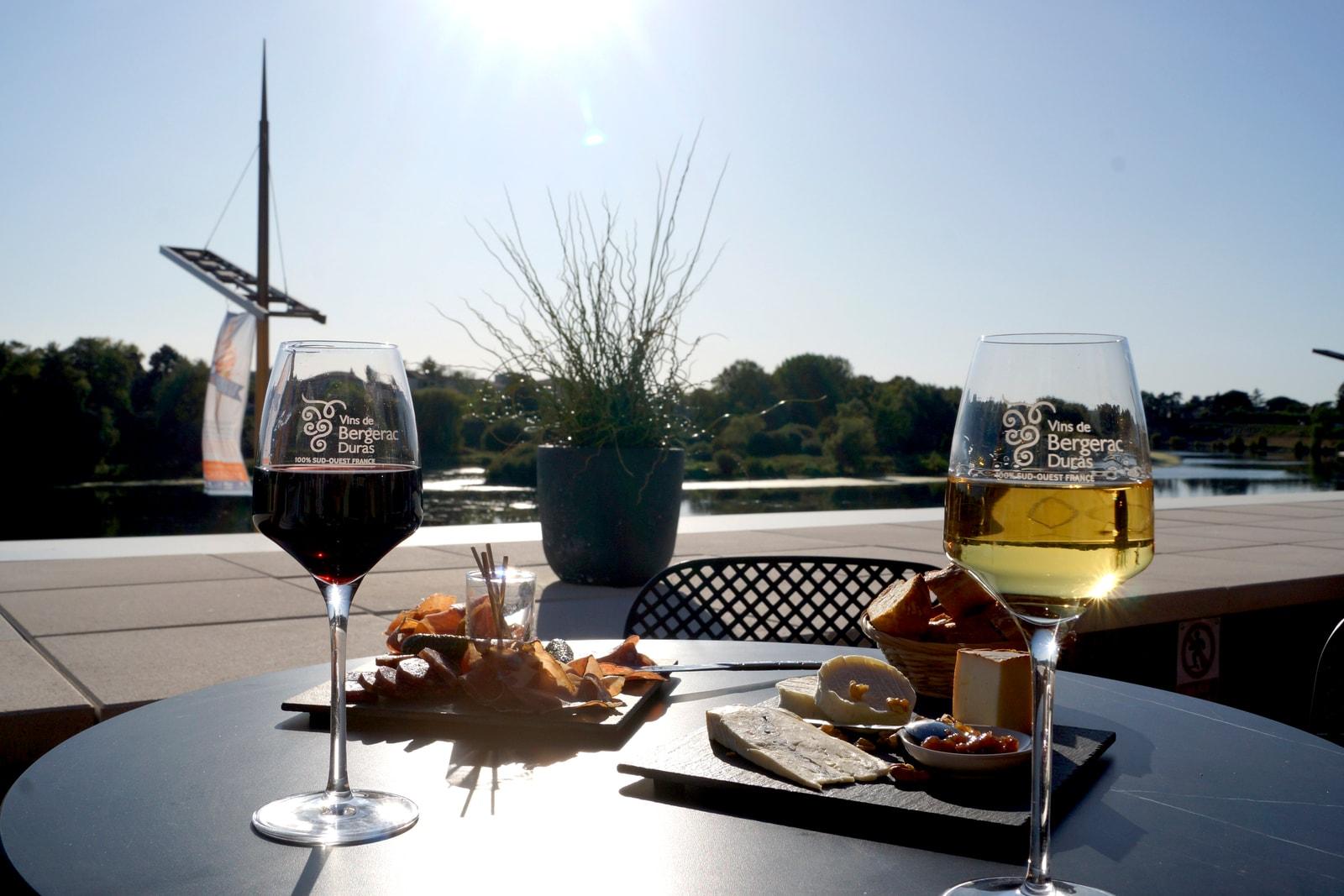
In the historic Cloître des Récollets beside the Dordogne, Quai Cyrano combines visitor information with a wine area devoted to Bergerac and Duras. Advisors can help you compare appellations before you choose an estate.
More than 140 Bergerac and Duras wines, a wine bar, workshops and events. Enjoy a tasting on the terrace overlooking the Dordogne, then explore Bergerac’s old town.
Plan your visit
Check the current tasting selection, workshop timetable and seasonal opening directly with Quai Cyrano.
Confirm access requirements and the current workshop timetable directly.
Confirm the current programme and price with the provider for your dates.
Give another day a different character
Explore wine-country scenery around Eymet, or devote a separate day to Duras. Choose the experience itself rather than trying to add every option to one itinerary.
Wine-country scenery by quad
An active countryside outing around Eymet
The tourism listing describes guided quad excursions through forests, vineyards and château country in the Dordogne and Lot-et-Garonne. Routes are tailored to participants and can include heritage or winery stops.
This is primarily an outdoor activity. A winery visit is a possible part of an agreed route, rather than something included in every excursion. Confirm the itinerary, driver requirements, passenger ages and access needs directly.
Plan your visit
The official tourism listing describes two-seat 300cc quads and French, English, Spanish and Portuguese. Confirm current prices and activity availability directly; the previous guide’s 2026 rates are not a future booking quote.
Confirm the current programme and price with the provider for your dates.
This neighbouring appellation lies in Lot-et-Garonne, within the wider Bergerac and Duras wine family.
Red, rosé, dry white and sweet white give plenty of scope for comparison in one wine-growing area.
A different wine-country day
Discovering Côtes de Duras in one place
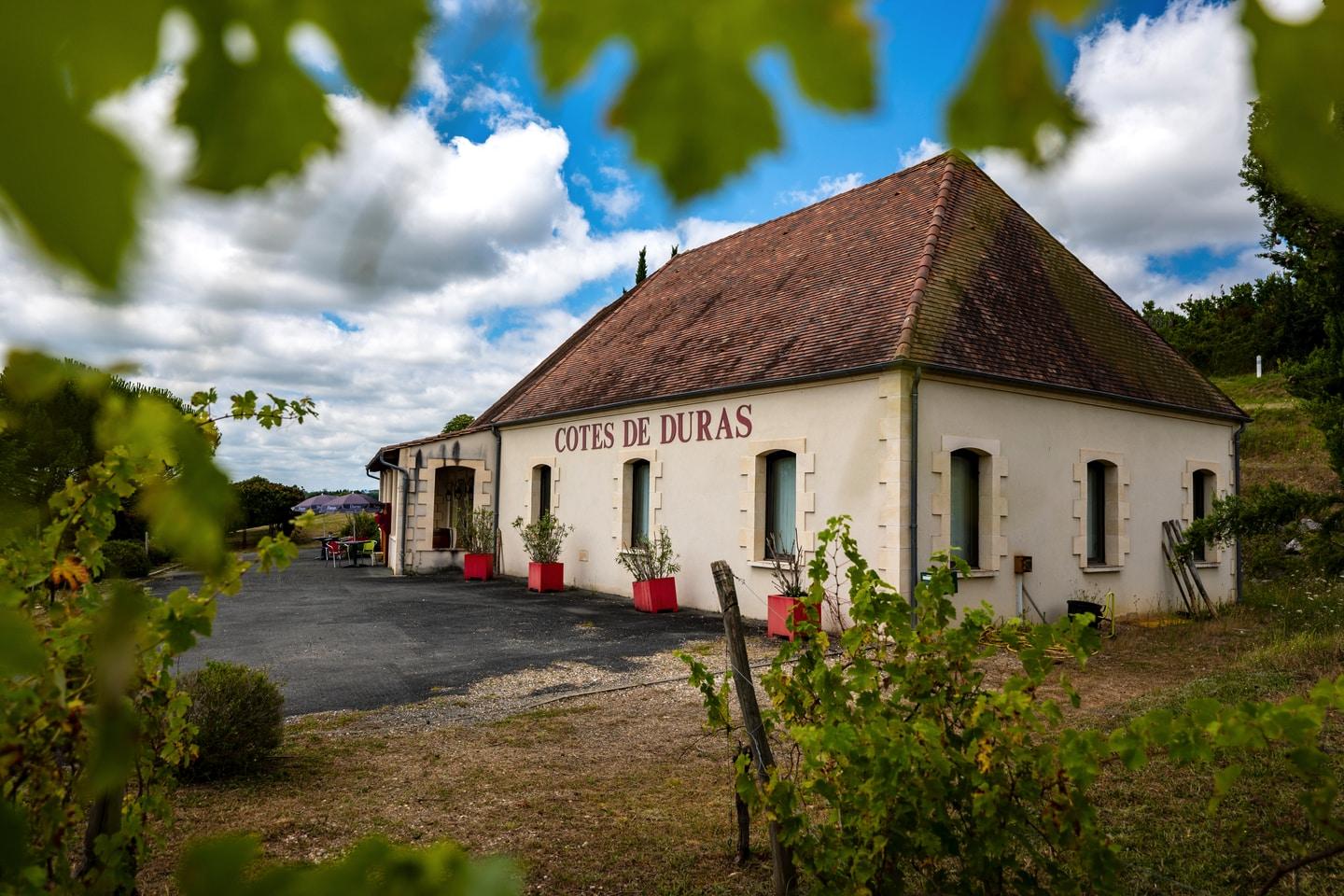
Cross into neighbouring Lot-et-Garonne to discover Côtes de Duras in one place. The Maison des Vins offers tastings of red, dry white, rosé and moelleux wines, with visits during its opening hours.
Outside, Les Clés du vignoble introduces the vineyard through a discovery garden. The grounds and picnic area are a useful part of a varied day, which can continue with Duras and its château.
For groups of more than five, telephone ahead with your preferred date and group size. If you would also like to visit a vineyard, arrange that separately with the estate, subject to its availability.
Plan your visit
The wine body currently describes 96 wines from 25 estates and a free discovery garden. Treat the selection as changing stock.
The Maison des Vins confirmed on 23 September 2026 that tastings include red, dry white, rosé and moelleux wines, with visits during opening hours. Check the current opening hours before travelling.
Confirm the current programme and price with the provider for your dates.
Our first-day suggestion
An adaptable day plan, shaped around the appointments you reserve and the pace your group enjoys.
Set out from Maison Sérénité with your first visit reserved and transport agreed. Use current directions rather than relying on a fixed driving estimate.
Choose a château visit or a producer tasting. Give the experience your attention rather than watching the clock for another appointment.
Walk through the old town, find a table and leave time beside the Dordogne. A wine day should still feel like a holiday.
If it suits your plans, compare the region’s styles or ask the wine team about the appellation that interests you.
Try Pécharmant for a red-wine contrast, revisit a favourite style or spend the afternoon exploring Bergerac instead.
Leave time for the journey back and an evening at the house. The next vineyard can belong to another day.
One good visit, lunch and an afternoon stroll can be just as rewarding. More tastings are not the measure of a better day.
Maison Sérénité → Monbazillac → Bergerac → an optional Pécharmant visit → home.
Enjoy the experience
The host may explain the estate, grapes and vintage before pouring wines in a considered order. Look at the colour, smell, gently swirl, smell again and take a small taste. Think about fruit, freshness, sweetness, tannin, texture and finish.
You can ask simple questions and take your time. You do not need to finish every sample; spittoons are normal. Decide what you enjoy rather than trying to find an impressive description.
Confirm the address, date, arrival time, price, duration and language. Ask whether the booking includes a tasting, a vineyard or cellar visit, food, or a combination.
Discuss children, access needs and buying bottles. For a guided day, agree collection and return. Small producers are working estates: an appointment gives them time to welcome you.
May and June: green vineyards and a pleasant time to combine visits with village exploring.
July and August: a broad visitor programme, with advance booking especially useful.
September: harvest can make the vineyards fascinating, but producers are busy and dates vary. Arrange the visit first.
October and beyond: autumn colour and quieter outings; check the estate’s seasonal opening. Many tasting rooms also welcome visits at other times of year.
Weather & seasonal planning →Build the day around more than wine: château history, a vineyard walk, lunch, the old town and the river. Confirm the estate’s arrangements for children and non-drinkers when reserving.
Maison Wessman publishes non-alcoholic options for younger visitors, and Château de Monbazillac offers grape juice. Individual experiences and age arrangements vary.
One lovely part of your stay
Make wine country one memorable day among bastide markets, countryside walks, château visits and time together at the house.
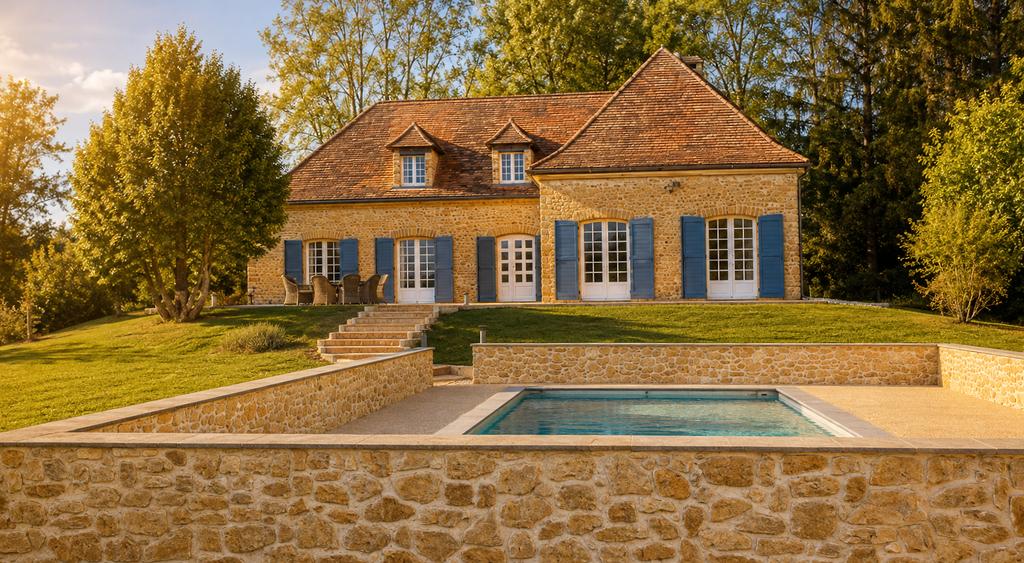
At the end of a lovely day
Return to the garden, the private seasonal pool and an evening together. A Dordogne holiday leaves room for both exploring and simply being here.
Visitor sources reviewed on 22 September 2026. Published prices and seasonal programmes are dated reference information; confirm arrangements with the provider for your stay. Our comparisons and day plans are editorial suggestions.